What is metabolic inflammation?
Normally, the immune system responds to microbes and injuries with a short-term inflammation and calms down when the job is done. Excess fat tissue, especially fat around the abdomen, frequently elevated blood sugar and a diet rich in processed foods can keep this system working at a low level but continuously. This silent inflammation, which causes neither fever nor pain, is called metabolic inflammation.
Metabolic inflammation is considered one of the common underlying grounds of chronic diseases such as obesity, insulin resistance and type 2 diabetes.
Your plate also feeds your blood vessels.
What does it have to do with blood vessels?
Plaque formation in the artery wall is not merely a fat deposit; inflammation plays a role at every stage of this process. For this reason, habits that feed inflammation prepare the ground for arterial diseases, including peripheral artery disease of the legs.
A similar picture exists in lipedema. It has been shown that in the fat tissue taken from lipedema-affected legs, fat cells are enlarged, connective tissue has increased and macrophages, which are inflammatory cells, have multiplied. For details, you can see the lipedema page.
In a Mediterranean-style diet enriched with olive oil, heart attacks, strokes and cardiovascular death were seen
%0
less often.
Randomized study of 7,447 people at high cardiovascular risk; compared with a control diet with reduced fat.
Estruch R et al. Primary prevention of cardiovascular disease with a Mediterranean diet supplemented with extra-virgin olive oil or nuts.
N Engl J Med 2018;378(25):e34. doi:10.1056/NEJMoa1800389
Seed oils and mitochondria
Oils obtained from seeds such as sunflower, corn, soybean, cottonseed and canola entered food in very large quantities with industrial production in the 20th century. Today they are found in most packaged foods, ready products and fried foods. The main fatty acid in these oils is linoleic acid, an omega-6 fatty acid.
Per capita soybean oil consumption in the United States increased from 1909 to 1999
0+
-fold.
In the same period, the share of linoleic acid in the energy obtained from food rose from 2.8% to 7.2%.
Blasbalg TL et al. Changes in consumption of omega-3 and omega-6 fatty acids in the United States during the 20th century.
Am J Clin Nutr 2011;93(5):950-962. doi:10.3945/ajcn.110.006643
Mitochondria are the power plants of the cell. Their inner membrane contains a special fat called cardiolipin, which is indispensable for energy production, and the structure of this fat is affected by the fatty acids we obtain from food. Polyunsaturated fatty acids such as linoleic acid are prone to oxidation, that is, to "rusting". Oxidation of cardiolipin is one of the markers of mitochondrial dysfunction. For this reason, some researchers think that the high linoleic acid load of modern diets may stress the mitochondria and contribute to metabolic inflammation.
However, this is a hypothesis, and human studies are conflicting. In re-analysed data from an older study in which linoleic acid was given in place of saturated fat to heart patients, mortality was higher (17.6% versus 11.8%). In contrast, in a pooled analysis of 30 studies including 68,659 people, cardiovascular disease was less common among those with high blood linoleic acid levels. It has not been proven that seed oils cause mitochondrial disease in humans; the debate continues.
In practice, the safest course is this: avoid frying oils that have been heated repeatedly, prefer olive oil for cooking, and reduce packaged and ready-made foods, which are the main source of seed oils.
Gluten and milk
Gluten
Gluten is a protein found in wheat, barley and rye. In coeliac disease, gluten causes serious inflammation in the intestine; these patients must avoid gluten completely. Coeliac disease confirmed by biopsy occurs in about 1 in 140 people worldwide (0.7%). There are also gluten-sensitive people who have symptoms after gluten but do not have coeliac disease.
In a large study that followed adults without coeliac disease for 26 years, long-term gluten consumption did not increase the risk of heart disease. The researchers also warned that cutting out gluten may reduce whole grains as well, which can be unfavourable for heart health. In other words, a gluten-free diet is not recommended for everyone without coeliac disease or gluten sensitivity; the real goal is to reduce white flour and pastry products.
Milk and dairy products
A review that evaluated clinical studies together found that dairy products generally do not increase inflammation and may even have an anti-inflammatory effect in people with metabolic disease. In people with a milk allergy, they do increase inflammation. Fermented products such as yogurt and kefir are good choices. People with lactose intolerance may avoid the products that cause complaints.
In lipedema, some patients say they feel better when they reduce gluten or milk. There is not yet a strong study supporting this; a personal trial should be carried out together with a physician and a dietitian.
Nutrition in lipedema
Diet does not change the lipedema tissue in the legs to a large extent, but the excess weight, swelling and pain that often accompany lipedema can decrease. The most studied approach in lipedema is a diet with reduced carbohydrates (ketogenic or low-carbohydrate): a pooled analysis of 7 studies including 329 women reported an average body weight loss of 7.9 kg over an average of 16 weeks and improvement in pain. However, most of these studies are small, and a broader review published in 2025 emphasises that the effect of the diet on lipedema is not yet clear. In short, nutrition is supportive; it is not a treatment on its own.
How should you eat in practice?
- Sugar and flourReduce sugary drinks, sweets, white bread and pastries. They raise blood sugar quickly and may increase inflammation.
- Half the plate vegetablesPlenty of vegetables and greens at every meal. Fibre provides fullness and supports gut health.
- Enough proteinEggs, fish, chicken, legumes and yogurt. While losing weight, it prevents muscle loss.
- Healthy fatsOlive oil, walnuts, hazelnuts and oily fish. Limit fried foods, reused oils and processed meats.
- Water and movementDrink enough water; regular walking strengthens the effect of your diet.
Important. Restrictive diets such as the ketogenic diet may not be suitable in conditions such as kidney disease, diabetes medicines or pregnancy. Consult your physician and a dietitian before starting. Starvation diets are not recommended.
References
- Hotamisligil GS. Inflammation, metaflammation and immunometabolic disorders. Nature 2017;542(7640):177-185. doi:10.1038/nature21363
- Estruch R et al. Primary prevention of cardiovascular disease with a Mediterranean diet supplemented with extra-virgin olive oil or nuts. N Engl J Med 2018;378(25):e34. doi:10.1056/NEJMoa1800389
- Blasbalg TL et al. Changes in consumption of omega-3 and omega-6 fatty acids in the United States during the 20th century. Am J Clin Nutr 2011;93(5):950-962. doi:10.3945/ajcn.110.006643
- Bradley RM et al. Influence of tissue, diet, and enzymatic remodeling on cardiolipin fatty acyl profile. Mol Nutr Food Res 2016;60(8):1804-1818. doi:10.1002/mnfr.201500966
- Panov AV, Dikalov SI. Cardiolipin, perhydroxyl radicals, and lipid peroxidation in mitochondrial dysfunctions and aging. Oxid Med Cell Longev 2020;2020:1323028. doi:10.1155/2020/1323028
- Ramsden CE et al. Use of dietary linoleic acid for secondary prevention of coronary heart disease and death: evaluation of recovered data from the Sydney Diet Heart Study and updated meta-analysis. BMJ 2013;346:e8707. doi:10.1136/bmj.e8707
- Marklund M et al. Biomarkers of dietary omega-6 fatty acids and incident cardiovascular disease and mortality. Circulation 2019;139(21):2422-2436. doi:10.1161/CIRCULATIONAHA.118.038908
- Singh P et al. Global prevalence of celiac disease: systematic review and meta-analysis. Clin Gastroenterol Hepatol 2018;16(6):823-836. doi:10.1016/j.cgh.2017.06.037
- Lebwohl B et al. Long term gluten consumption in adults without celiac disease and risk of coronary heart disease: prospective cohort study. BMJ 2017;357:j1892. doi:10.1136/bmj.j1892
- Bordoni A et al. Dairy products and inflammation: a review of the clinical evidence. Crit Rev Food Sci Nutr 2017;57(12):2497-2525. doi:10.1080/10408398.2014.967385
- Felmerer G et al. Adipose tissue hypertrophy, an aberrant biochemical profile and distinct gene expression in lipedema. J Surg Res 2020;253:294-303. doi:10.1016/j.jss.2020.03.055
- Amato ACM et al. The efficacy of ketogenic diets (low carbohydrate; high fat) as a potential nutritional intervention for lipedema: a systematic review and meta-analysis. Nutrients 2024;16(19):3276. doi:10.3390/nu16193276
- de Oliveira J et al. Clinical or cultural? Dietary interventions for lipedema: a systematic review. Maturitas 2025;202:108716. doi:10.1016/j.maturitas.2025.108716
Related pages
 LipedemaSymptoms, stages and treatment
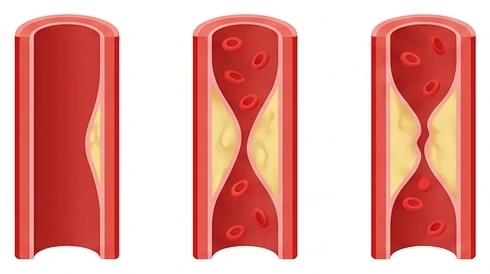 Peripheral artery diseasePlaque and narrowing in the arteries
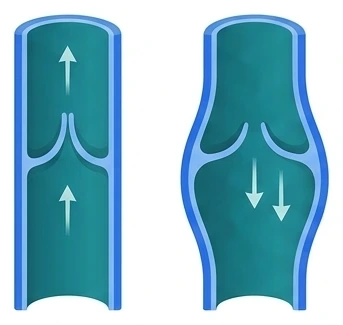 Varicose vein treatmentStep-by-step treatment in venous insufficiency