
Cardiac and Vascular Surgery
Dr. Oğulcan Özdemir
Every patient's vascular anatomy is different; treatment decisions are made according to examination and imaging findings (Doppler ultrasound, CT/MR venography).
Appointments and Contact About Me
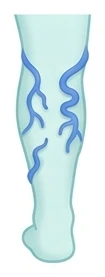
Leg swelling, pain, cramps and enlarged veins. Reflux evaluation with imaging, minimally invasive (closed) methods and surgical options.
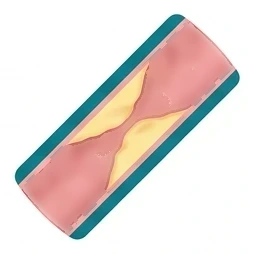
Leg pain when walking, cold feet, wounds that do not heal. Peripheral angiography, balloon angioplasty, stenting and bypass.
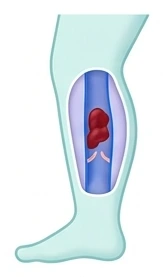
Sudden swelling, pain and redness in one leg. Diagnosis by imaging, anticoagulant treatment and mechanical clot removal.
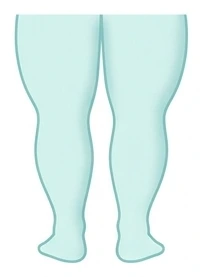
Symmetrical thickening of the legs, tenderness to touch and easy bruising. Distinguishing lipedema from lymphedema and varicose veins.
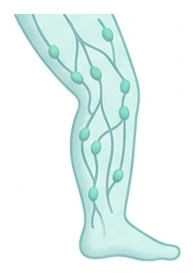
Persistent swelling of the arm or leg, sometimes including the top of the foot. Complex decongestive physiotherapy, compression and surgical options.
Fistula creation for dialysis, vascular injuries and procedures related to vascular access.
Most vascular diseases progress slowly and cause no symptoms in the early stages. It is worth consulting a cardiac and vascular surgeon in the following situations:
MHRS (Türkiye's national hospital appointment system) booking, medication list, previous Doppler and test reports. What should you bring?
Walking, compression stockings, bathing, returning to work, and symptoms that need prompt medical attention.
Sizing, pressure, how to put them on, whether to take them off at night, and care. Who needs to pay special attention.
Silent inflammation, vascular health and diet. Evidence-based information on seed oils, gluten and dairy.
The 30 most common questions about varicose veins, clots, arterial blockage, lipedema and lymphedema.
Tatvan State Hospital
Cardiac and Vascular Surgery Outpatient Clinic
Hospital Street No: 1, Tatvan / Bitlis
Weekdays 08:30 – 16:00
0434 827 63 25