What are varicose veins and what causes them?
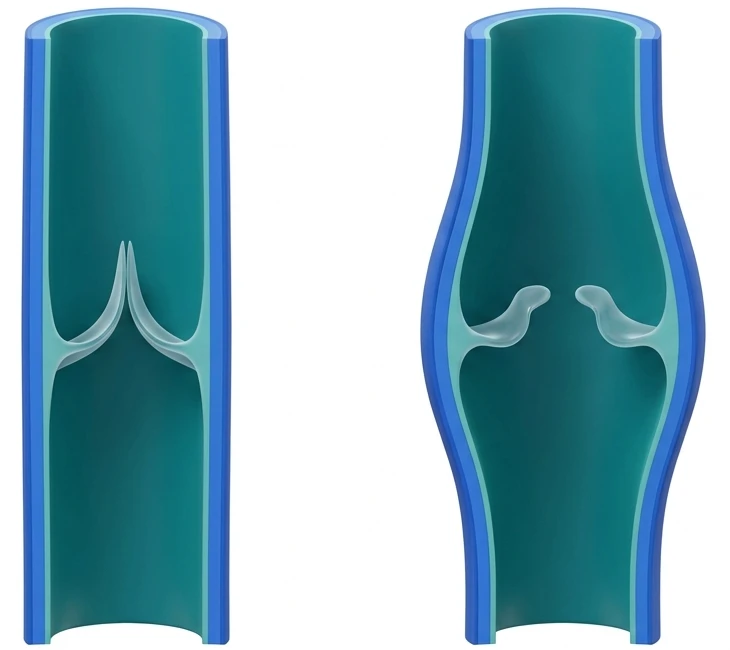
The veins in the legs carry blood upward against gravity, toward the heart. To do this they rely on one-way valves inside the vein. When these valves fail, blood flows backward, pools in the vein and the vein gradually widens. The bulging, twisted veins you can see are the result of this process.
Treatment should be tailored to you.
A family history of varicose veins, long periods of standing or sitting at work, excess weight, pregnancy and older age are the main risk factors. It is more common in people whose jobs keep them standing all day.
Varicose veins are, at their core, a disease of inactivity.
Why is walking so important?
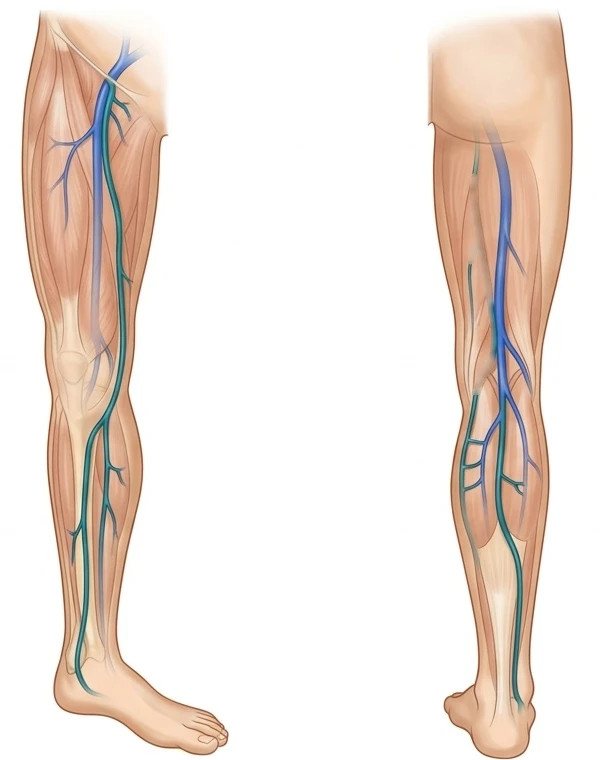
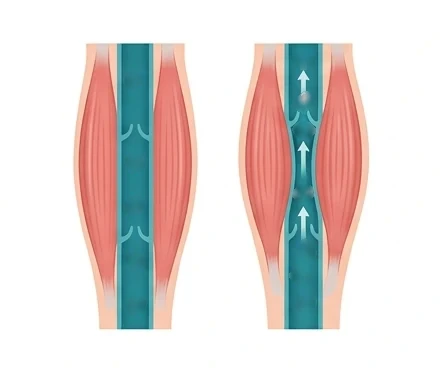
The veins in the leg cannot carry blood to the heart on their own. Mostly the calf muscles do this job: with each step the calf muscle contracts, squeezes the deep veins between the muscles and pushes blood upward, while the valves prevent backflow. This is why the calf muscle is called the "second heart".
Standing or sitting still for long periods stops this pump. Blood pools in the leg, pressure inside the vein rises and the valves gradually become fatigued. Regular walking during the day, frequently rising onto your toes, and getting up to walk for a few minutes if you sit for long periods all keep this pump working. Walking is part of treatment at every stage of varicose vein care, including after surgery.
Regular walking reduces the risk of death from all causes by
%0
.
Compared with people who take about 3,500 steps per day, those who take about 11,000 steps per day.
Paluch AE et al. Daily steps and all-cause mortality: a meta-analysis of 15 international cohorts.
Lancet Public Health 2022;7(3):e219-e228. doi:10.1016/S2468-2667(21)00302-9

Which symptoms matter?
- Leg swelling and a feeling of heaviness that increase toward the evening and ease in the morning
- Calf cramps at night and a restless leg feeling
- Enlarged, bulging veins or networks of spider veins under the skin
- Brownish skin discolouration and skin hardening around the ankle
- A wound on the inner side of the ankle that does not heal
Venous insufficiency stage by stage
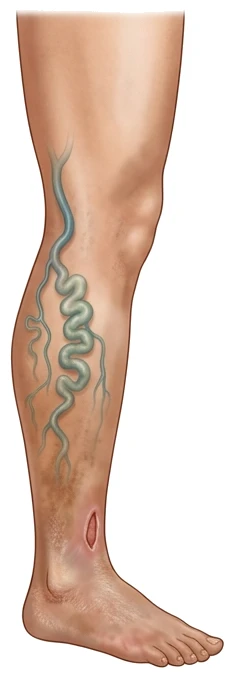 1
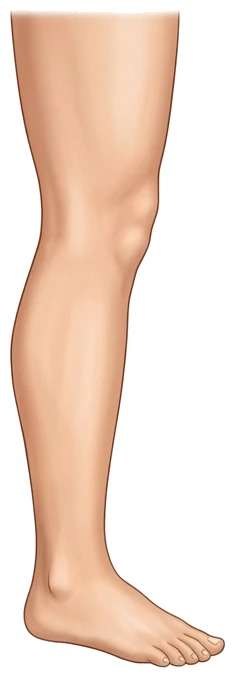
11. Healthy leg
The venous valves prevent blood from flowing backward.
- Superficial veins are not visible in the skin
- There is no swelling, pain or colour change
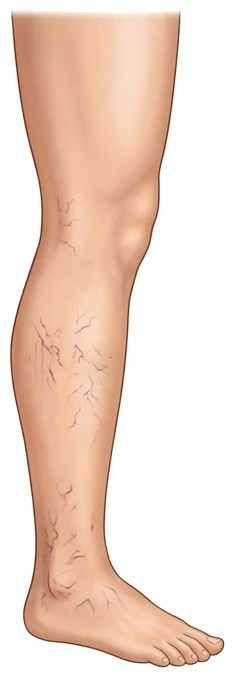
2. Spider veins
Fine, red-purple, spider-web-like veins appear in the skin.
- Usually a cosmetic problem
- Can sometimes cause burning, itching or mild pain
- Doppler is used to check for a leak underneath
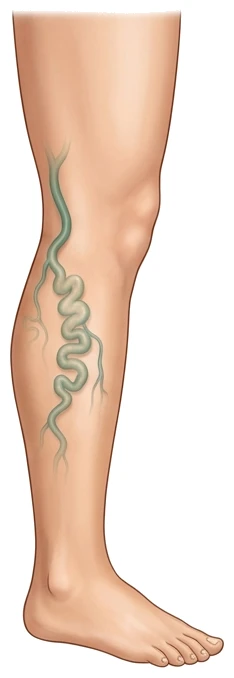
3. Varicose veins
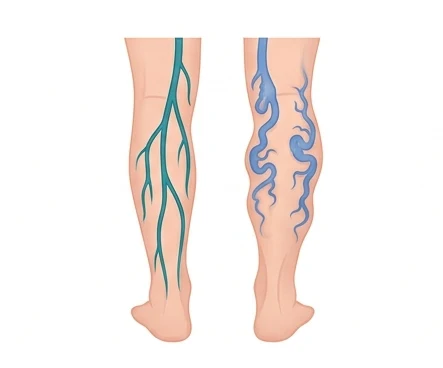
Due to valve failure, the superficial veins widen and become twisted and bulging.
- Heaviness, pain and night cramps in the leg
- Complaints increase after long periods of standing
- Treatment options are most effective at this stage
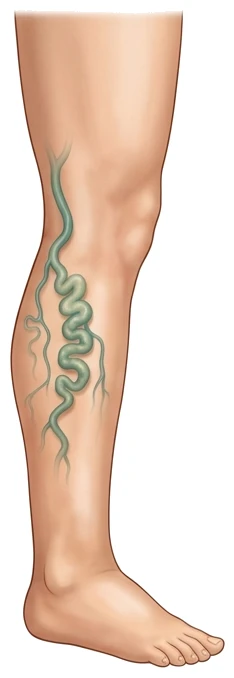
4. Swelling (oedema)
Blood pooling in the leg causes swelling around the ankle.
- Increases toward the evening and decreases in the morning
- Stocking elastic leaves marks
- Sudden swelling in one leg should be urgently evaluated for clots
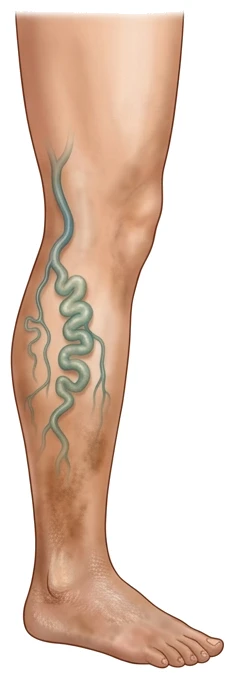
5. Skin changes
Prolonged pressure makes the skin unable to receive adequate nourishment.
- Brownish staining around the ankle
- Skin hardening, dryness and itching (eczema)
- A warning sign of a risk of ulcer formation
6. Venous ulcer
This is the most advanced stage; it usually opens above the inner ankle.
- Healing can take weeks or months
- If the leak is not treated, it tends to recur
- Compression and closing the leak speed up healing
How is it diagnosed?
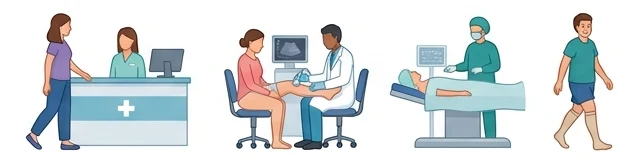
Examination is important but not sufficient on its own. Imaging measures which vein is leaking and for how long. The test is painless and needle-free, and is performed both standing and lying down. The treatment decision is based on these measurements. A varicose vein treatment decision made without imaging is incomplete.
I have a leak.
Do I have to have surgery?
No.*
*The first treatment is lifestyle change.
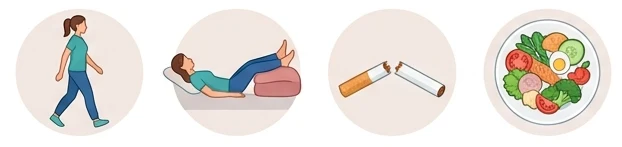
Lifestyle change
The foundation of every treatment; it is never stopped.
- At least 30 minutes of walking a day
- Weight control
- Avoiding long periods of inactivity
- Raising the legs during the day
Stockings and medication
Noticeably reduces symptoms; sufficient for many patients.
- Varicose vein stockings of appropriate pressure
- Vein medication when needed
- Regular follow-up
Intervention / surgery
When the leak is significant and symptoms persist.
Every patient starts at the lower step; the next step is taken if needed.
Treatment options
There is no single correct method. The decision depends on the stage of the disease, the location of the leak and the vein diameter.
Lifestyle changes and compression stockings
This is the first option in the early stage, when there is no significant leak. Weight control, avoiding long periods of standing still, raising the legs and wearing compression stockings of the right pressure noticeably reduce symptoms. The compression grade of the stocking should be determined by a physician; a stocking bought at random will not help.
Closed (non-surgical) methods
The main vein where the leak is located is closed from the inside with a catheter inserted through a small puncture in the skin. The vein is not removed; the body gradually absorbs it. General anaesthesia is usually not required and the patient gets up on the same day.
Müller mini-phlebectomy
The dilated vein clusters under the skin are removed through incisions of a few millimetres. Stitches are usually not needed and the scar is barely visible. It can be performed in the same session as closed-method treatment.
Foam sclerotherapy
For finer veins and spider-vein networks, the vein is closed with a medication injected into it. More than one session may be needed.
Conventional surgery
Preferred in selected cases where the vein anatomy is not suitable for closed methods.
Frequently asked questions
When can I return to work after varicose vein treatment?
After closed (non-surgical) ablation and mini-phlebectomy, most patients can walk the next day and return to desk work within a few days. If you do heavy physical work, recovery may take longer. The exact time depends on the method used and the extent of the procedure.
Do varicose veins come back?
A treated vein does not reopen once it has been closed. However, because the underlying tendency remains, new varicose veins can develop in other veins over the years. Wearing compression stockings and regular follow-up reduce this risk.
Is the treatment painful?
No pain is felt during the procedure because local anaesthesia is used. Afterwards, tightness and bruising may last a few days and are relieved with simple painkillers.
I have spider veins. Are they varicose veins too?
Spider veins are often a cosmetic problem, but whether there is a leak in a larger vein underneath should be checked with imaging. Treating spider veins without correcting an underlying leak leads to recurrence within a short time.
My legs swell in the evening. Is this varicose veins?
Leg swelling that increases toward the evening and decreases after waking up is the most common early sign of venous insufficiency. However, oedema caused by the heart, kidneys or thyroid can look similar. Examination and imaging make the distinction.
Veins have appeared on my leg and there is bruising. What should I do?
Veins that become visible under the skin are usually superficial venous dilatation. If they are accompanied by bruising, pain and heaviness at the end of the day, they should be evaluated. The first step is always to check with imaging whether there is a leak.
Examination and appointments. Patients from Bitlis, Tatvan, Van, Muş and the surrounding area are examined at the Cardiac and Vascular Surgery Outpatient Clinic of Tatvan State Hospital. Appointments are made through MHRS (Türkiye's national hospital appointment system); details are on the Appointments and Contact page.
Related pages
 After varicose vein treatmentWalking, stockings, follow-up and warning signs
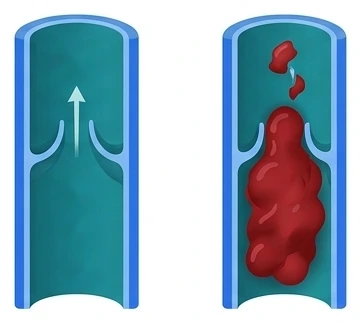 Deep vein thrombosisIf one leg swells suddenly, it may be a clot rather than varicose veins
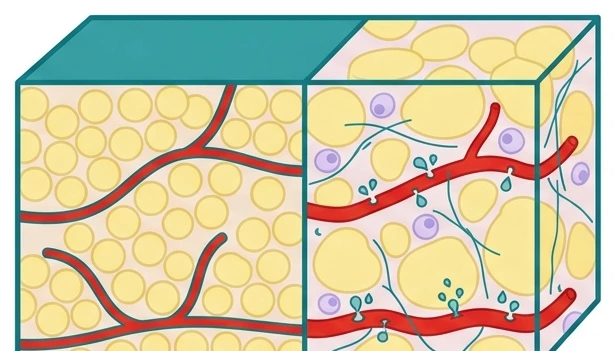 LipedemaIf both legs are symmetrically thick and tender to touch
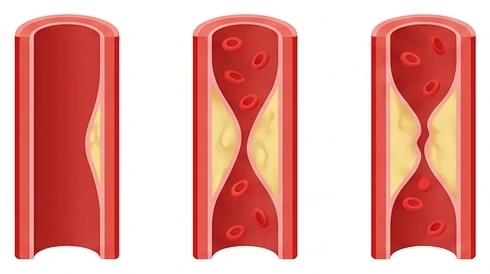 Peripheral artery diseaseLeg pain that starts when walking and goes away at rest
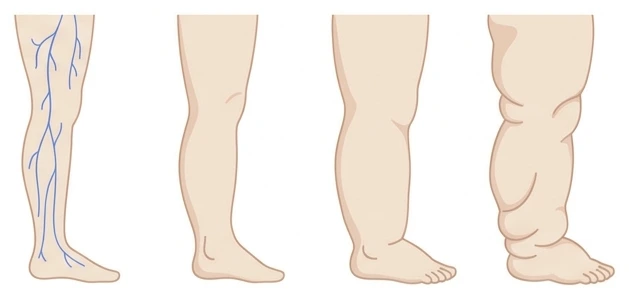 LymphedemaPersistent swelling that also involves the top of the foot