Exercises you can do at home
The movements below need no equipment. If you have pain, shortness of breath, or chest pain, stop and talk to your doctor.
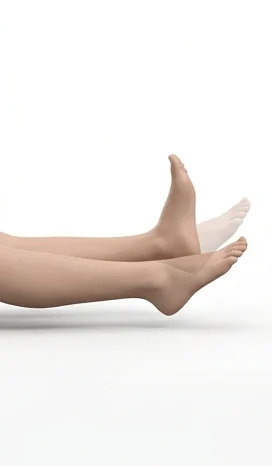
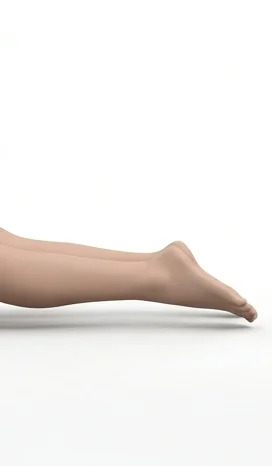
Ankle pumps
While sitting or lying down, pull your toes toward you, then push them forward. Repeat 10-20 times, several times a day.
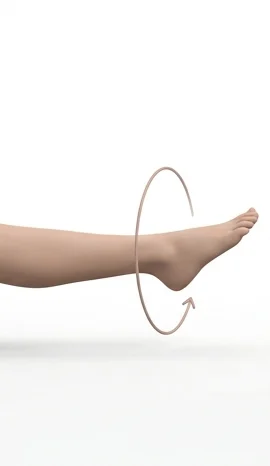
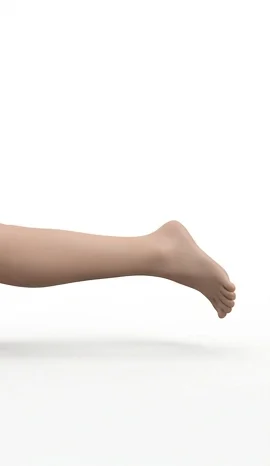
Ankle circles
Slowly draw a circle in the air with your foot; 10 times in one direction, 10 times in the other.
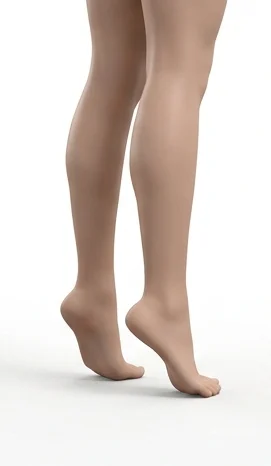
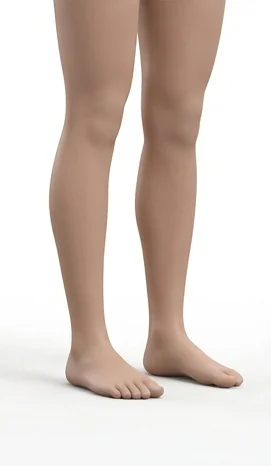
Toe raises
Holding on to something, rise up onto your toes, then lower slowly. 10-15 repetitions, 2-3 times a day.
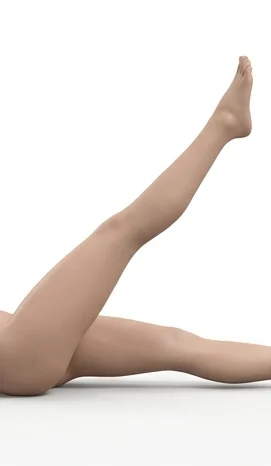
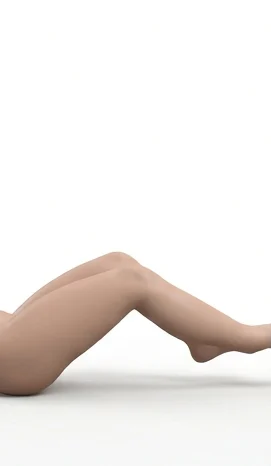
Leg raises
Lie on your back and slowly lift and lower your leg without bending the knee. It reduces evening swelling.
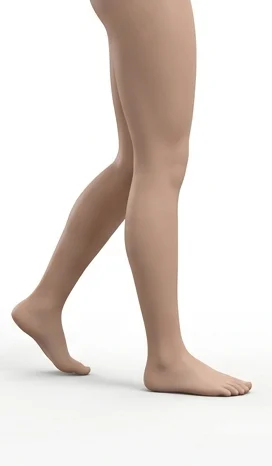

Walking
The simplest and most effective exercise. Try to walk every day.
Change position every 2 hours. If you sit, stand, or lie down for a long time, change your position at least every 2 hours; get up and walk for a few minutes or do the ankle movements above.
Not sitting, but walking heals.
Walking program for blocked arteries
In patients with narrowing of the leg arteries, calf pain starts while walking and goes away when they stop. In this situation, regular and planned walking is one of the most powerful treatments for increasing walking distance. The 2024 European Society of Cardiology guideline recommends supervised exercise as a core treatment in these patients. A Cochrane review has also shown that exercise clearly increases walking distance.
- Warm upWalk at a slow pace for 5 minutes.
- Walk until it hurtsWalk until you feel moderate pain in your calf.
- RestStop until the pain passes, then start again.
- RepeatA total of 30-45 minutes, at least 3 days a week.
- Be patientThe effect usually starts within a few weeks; keep going for at least 12 weeks.
To raise good cholesterol (HDL), at least
0
minutes a week of brisk walking or similar aerobic exercise.
Meta-analysis of 25 randomized trials: regular aerobic exercise raised HDL by an average of 2.5 mg/dL; for every 10 minutes added to a session, the increase was about 1.4 mg/dL greater.
Kodama S et al. Effect of aerobic exercise training on serum levels of high-density lipoprotein cholesterol: a meta-analysis. Arch Intern Med 2007;167(10):999-1008. doi:10.1001/archinte.167.10.999
In varicose veins and venous insufficiency
Standing or sitting for a long time causes blood to pool in the legs. During the day, do a few minutes of ankle movements and toe raises every hour; if you will be on your feet, wear compression stockings.
After surgery and after a clot
After varicose vein treatment, you are advised to start walking the same day; details are in the after-treatment guide. In patients who have had a deep vein thrombosis, movement is generally safe once blood-thinning treatment has started. In patients who develop lasting leg swelling and pain, a 6-month exercise program was shown to reduce symptoms in a randomized trial.
In lymphedema
You do not need to avoid exercise in lymphedema. In women with arm lymphedema after breast cancer, slowly progressive weight training has been reported not to increase swelling and, on the contrary, to reduce flare-ups. Wear your compression garment during exercise and increase the load slowly.
On long trips
On a plane, bus, or car trip, do ankle pumps and ankle circles every hour, get up and walk whenever you can, and drink plenty of water. If you have had a clot before, talk to your doctor before traveling.
Seek care immediately. If you have sudden swelling, redness, and pain in one leg; sudden shortness of breath or chest pain; or a cold, bluish foot or pain that does not go away at rest, stop exercising and go to the emergency department.
References
- Mazzolai L et al. 2024 ESC Guidelines for the management of peripheral arterial and aortic diseases. Eur Heart J 2024;45(36):3538-3700. doi:10.1093/eurheartj/ehae179
- Lane R et al. Exercise for intermittent claudication. Cochrane Database Syst Rev 2017;12(12):CD000990. doi:10.1002/14651858.CD000990.pub4
- Treat-Jacobson D et al. Implementation of supervised exercise therapy for patients with symptomatic peripheral artery disease: a science advisory from the American Heart Association. Circulation 2019;140(13):e700-e710. doi:10.1161/CIR.0000000000000727
- Kahn SR et al. Six-month exercise training program to treat post-thrombotic syndrome: a randomized controlled two-centre trial. CMAJ 2011;183(1):37-44. doi:10.1503/cmaj.100248
- Schmitz KH et al. Weight lifting in women with breast-cancer-related lymphedema. N Engl J Med 2009;361(7):664-673. doi:10.1056/NEJMoa0810118
- Kodama S et al. Effect of aerobic exercise training on serum levels of high-density lipoprotein cholesterol: a meta-analysis. Arch Intern Med 2007;167(10):999-1008. doi:10.1001/archinte.167.10.999
Related pages
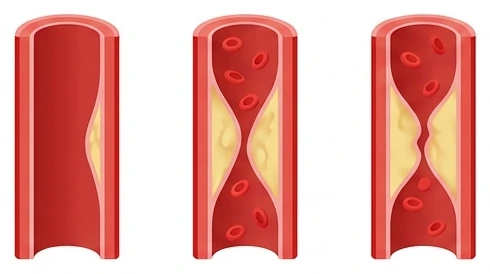 Blocked leg arteriesPlaque and narrowing in the artery
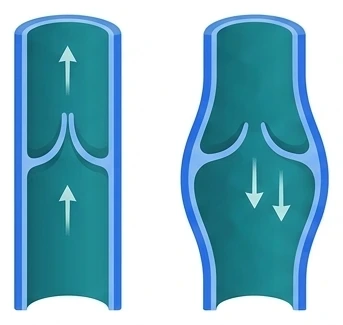 Varicose vein treatmentStepwise treatment of venous insufficiency
 Nutrition and metabolic inflammationSilent inflammation and diet
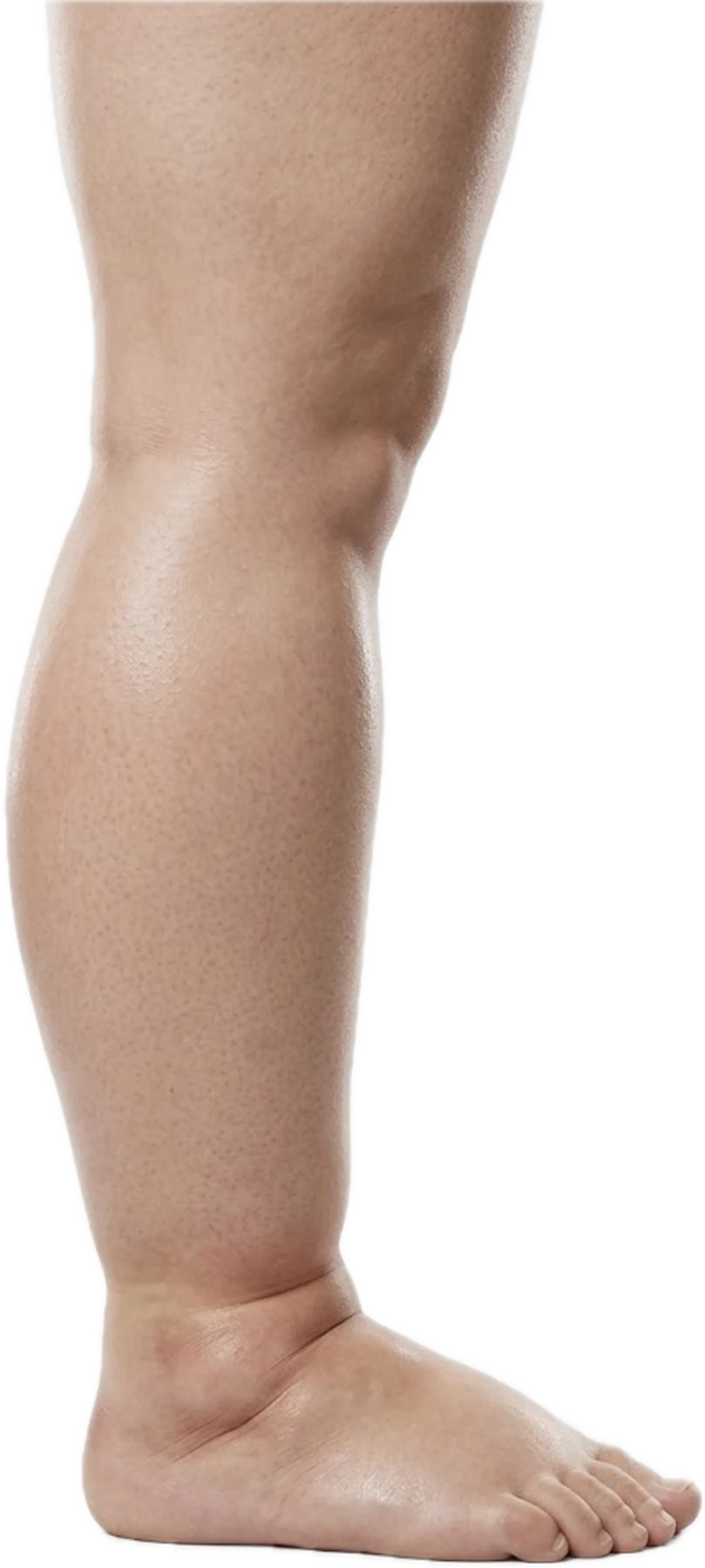 Lymphedema