Same genes, different outcome
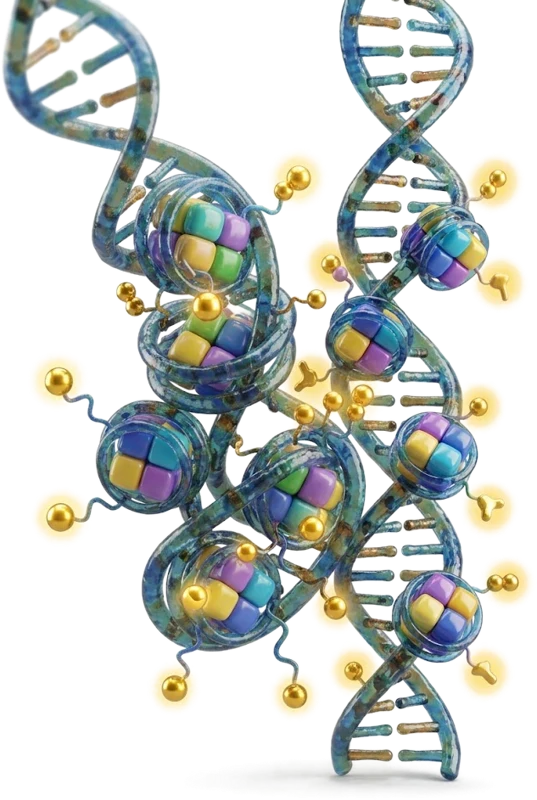
Part of the control over which genes are switched on is exerted by small chemical marks on the histone proteins around which DNA is wound. When an acetyl group is added to a histone, the DNA loosens and the gene can be read. Enzymes called histone deacetylases (HDACs) remove these acetyl groups, which tightens the DNA and silences the gene. HDACs can therefore be compared to a volume control for genes.
A signal from the gut: butyrate
Butyrate is a short-chain fatty acid formed when bacteria in the large intestine ferment fibre from food. It is a main energy source for the cells lining the colon. Laboratory studies have shown that butyrate suppresses HDAC enzymes; interestingly, this effect changes only about 2 percent of genes. A fibre-rich diet is the simplest way to feed the bacteria that produce butyrate. For more detail, see the Gut flora page.
The share of genes changed when butyrate inhibits HDAC enzymes is only about
0%
so the effect is highly selective.
Davie JR. J Nutr 2003;133(7 Suppl):2485S-2493S. doi:10.1093/jn/133.7.2485S
Fasting and ketones

When food is avoided for a long time or carbohydrates are sharply reduced, the liver produces ketone bodies from fats. The most important of these, beta-hydroxybutyrate, is structurally very similar to butyrate, which is made by gut bacteria, and it is also an HDAC inhibitor. In a study in mice, fasting, calorie restriction, or externally given beta-hydroxybutyrate increased histone acetylation in tissues and switched on genes that protect against oxidative stress (FOXO3A and MT2). This finding suggests that when and how much we eat may influence how our genes are used. However, a health effect of this mechanism has not yet been shown in humans. For details, see the Metabolic longevity page.
Broccoli and sulforaphane
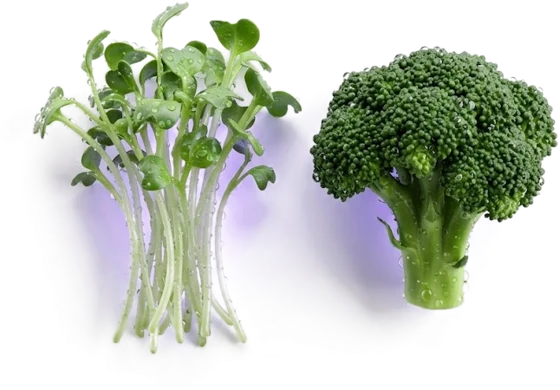
Broccoli, and especially the sulforaphane found in broccoli sprouts, has suppressed HDAC enzymes in laboratory studies. In a small study of healthy volunteers, people who ate fresh broccoli sprouts showed reduced HDAC activity in their blood cells, while people who took a capsule containing the same amount of the compound without the digestive enzyme showed no such effect. So fresh vegetables and supplements are not the same thing. Another study found that high amounts of broccoli sprouts may also affect unintended gene regions. For this reason, the advice is not supplements, but regularly eating vegetables such as broccoli, cabbage, and cauliflower.
Exercise and muscle
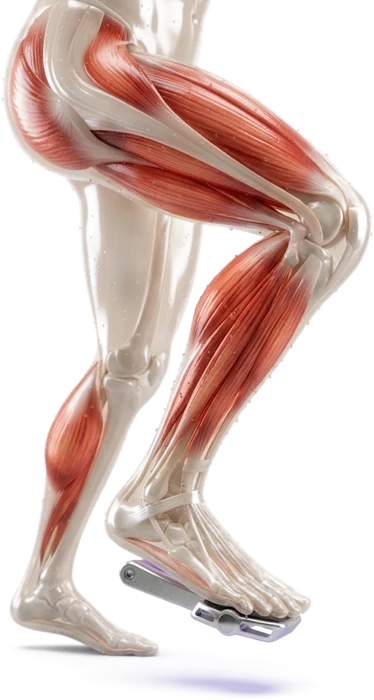
Exercise also changes how genes are regulated. In healthy volunteers, during 60 minutes of cycling, the HDAC4 and HDAC5 enzymes were moved out of the nucleus of muscle cells, lifting the pressure on genes. This process is controlled by signaling molecules such as AMPK, which become active when energy falls during exercise. It is one of the mechanisms by which regular movement improves how muscle uses sugar and fat over time. Leg muscles also pump blood from the veins back to the heart, so movement matters for vein health as well. For details, see the Movement and exercise page.
In healthy volunteers,
0min
of cycling moved the HDAC4 and HDAC5 enzymes out of the nucleus of muscle cells.
McGee SL et al. J Physiol 2009;587(Pt 24):5951-5958. doi:10.1113/jphysiol.2009.181065
Queen bees and worker bees
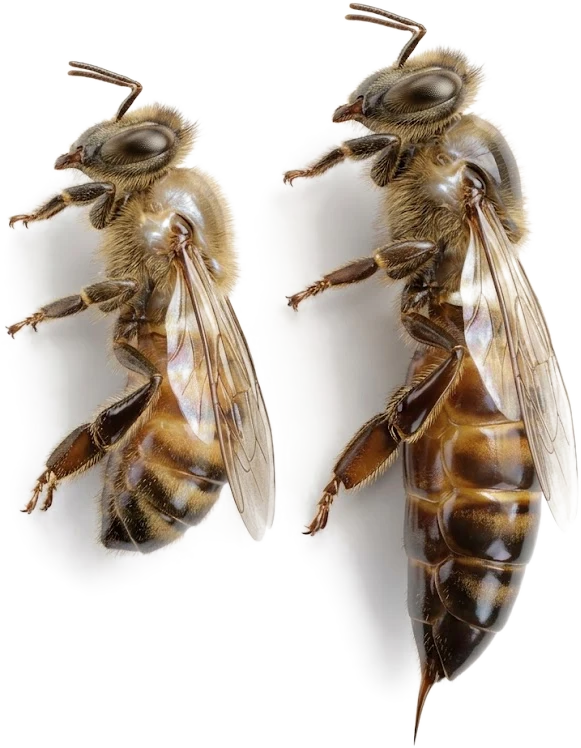
In honeybees, queens and workers are genetically indistinguishable. Even so, the queen is fertile, larger and lives much longer. The difference is created by the food given during the larval stage: a larva destined to become a queen is fed large amounts of royal jelly.
With the same genes, a queen bee lives about
0times
longer than a worker bee in summer.
A queen bee lives on average 1 to 2 years; a worker bee in summer lives on average 15 to 38 days (150 to 200 days in winter). Figures are averages.
Remolina SC, Hughes KA. Age (Dordr) 2008;30(2-3):177-185.
doi:10.1007/s11357-008-9061-4
There is strong evidence that this difference is epigenetic rather than genetic. Suppressing Dnmt3, the enzyme that adds DNA methyl marks in larvae, produced an effect similar to feeding royal jelly, and most of the larvae developed into queens with well-developed ovaries. In addition, 10-hydroxy-2-decenoic acid (10-HDA), which makes up as much as 5 percent by weight of royal jelly, has been shown to suppress HDAC, and it has been suggested that this may contribute to the change in caste.
Same genes, different fate.
Royalactin: the protein that makes a queen?
Royalactin is a protein of about 57 kDa found in royal jelly. In 2011 it was reported that this protein increased body size and ovary development in larvae and shortened development time. In 2016, however, another research group could not reproduce this result. Today, queen development is thought to depend not on a single protein but on several components of royal jelly together with the amount of food. This debate is a good example of why a striking single finding should not be accepted as definite until it has been repeated.
Resveratrol and sirtuins
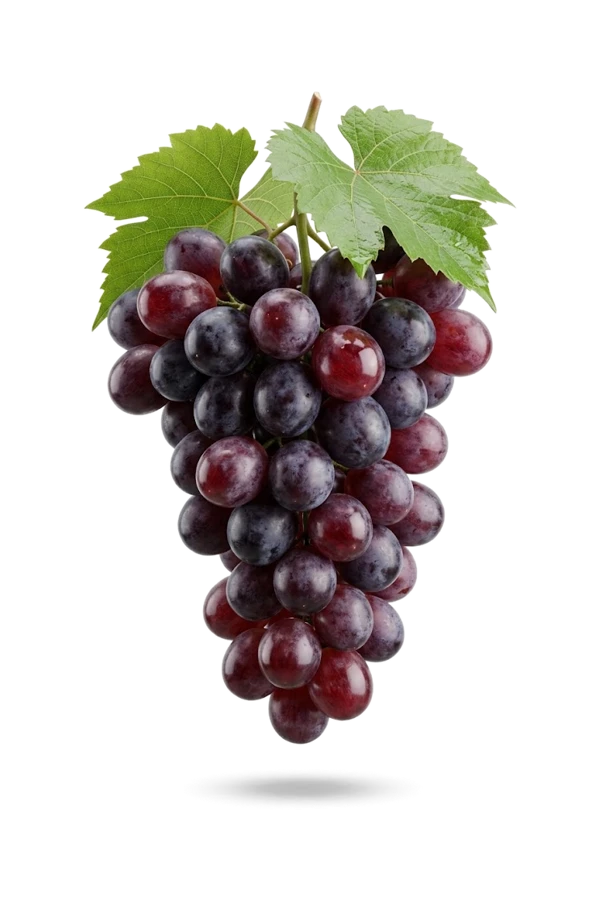
Red grapes. Resveratrol is found mostly in red grapes.
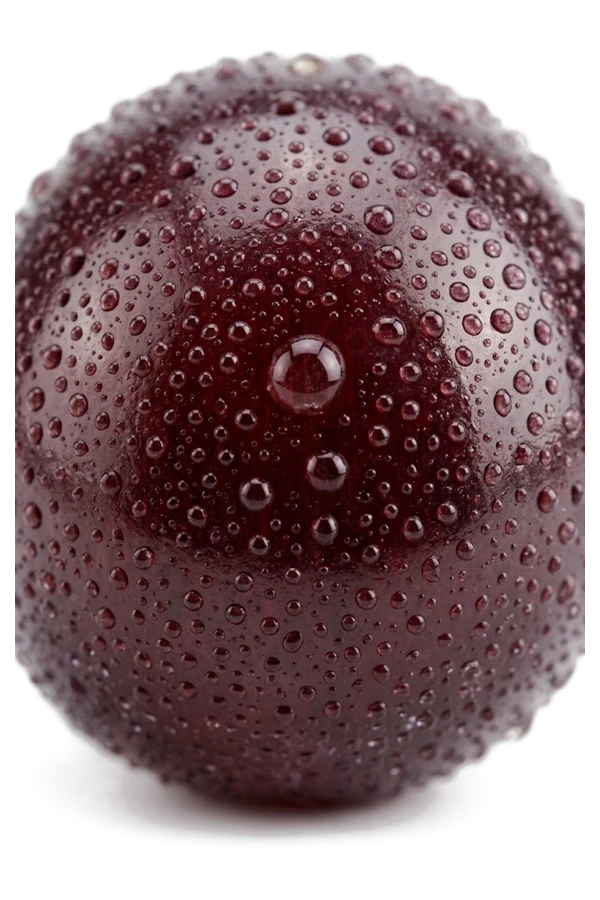
Move closer to the skin. Most of the resveratrol is in the grape skin.
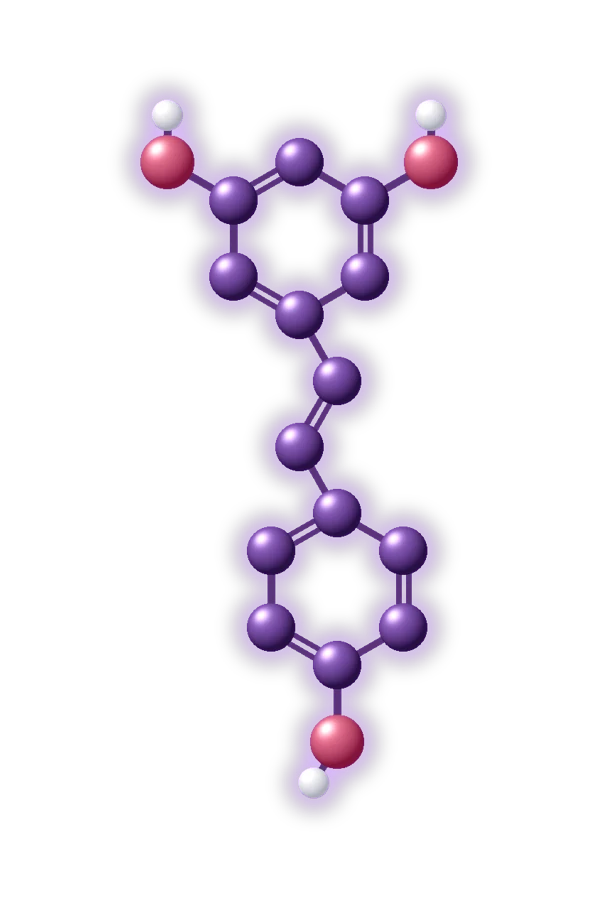
The resveratrol molecule. A small two-ring plant compound; its link with sirtuin enzymes is still being studied.
Sirtuins are a branch of the HDAC family that works with NAD+, the cell's energy molecule, which is why they link the cell's energy status with gene regulation. In 2003, resveratrol, found in red grape skin, was shown to activate sirtuins and extend lifespan in yeast cells. In later years it was argued that this effect might come from the measurement method, and then a real activating mechanism was described under specific conditions.
Evidence in humans is weak. A Cochrane review of studies in adults with type 2 diabetes found only three short-term studies with 50 participants in total and concluded that there is not enough evidence to decide whether resveratrol has any benefit or harm. Red wine is not recommended as a source of resveratrol: the amount in it is low, and the harms of alcohol outweigh any possible benefit.
Lactoferrin: a protective protein in milk
Lactoferrin is an iron-binding protein found in large amounts in human and cow's milk, especially in colostrum, the first milk. Its effects against microbes and its ability to regulate the immune system are well described in the laboratory. In humans the results are mixed. A meta-analysis of 25 studies found that interleukin-6, an inflammatory marker, fell in adults while CRP did not change; respiratory infections decreased in children but not in adults. A large randomised study of 2,203 very preterm infants found that lactoferrin did not reduce the risk of infection. Evidence on its link with artery stiffness in humans is still limited.
What does this mean for people?
The bee example is a striking model of how diet can change the way genes are used, but it is only an analogy. There is not enough clinical evidence to show that royal jelly, butyrate, resveratrol or lactoferrin supplements slow ageing or prevent vascular disease in people. For now, the most reliable approach is a fibre-rich, balanced diet that feeds gut bacteria, regular physical activity and adequate sleep. People who are allergic to bee products or have asthma should speak with their doctor before using royal jelly.
References
- Davie JR. Inhibition of histone deacetylase activity by butyrate. J Nutr 2003;133(7 Suppl):2485S-2493S. doi:10.1093/jn/133.7.2485S
- Kucharski R et al. Nutritional control of reproductive status in honeybees via DNA methylation. Science 2008;319(5871):1827-1830. doi:10.1126/science.1153069
- Spannhoff A et al. Histone deacetylase inhibitor activity in royal jelly might facilitate caste switching in bees. EMBO Rep 2011;12(3):238-243. doi:10.1038/embor.2011.9
- Kamakura M. Royalactin induces queen differentiation in honeybees. Nature 2011;473(7348):478-483. doi:10.1038/nature10093
- Buttstedt A et al. Royalactin is not a royal making of a queen. Nature 2016;537(7621):E10-E12. doi:10.1038/nature19349
- Remolina SC, Hughes KA. Evolution and mechanisms of long life and high fertility in queen honey bees. Age (Dordr) 2008;30(2-3):177-185. doi:10.1007/s11357-008-9061-4
- Howitz KT et al. Small molecule activators of sirtuins extend Saccharomyces cerevisiae lifespan. Nature 2003;425(6954):191-196. doi:10.1038/nature01960
- Pacholec M et al. SRT1720, SRT2183, SRT1460, and resveratrol are not direct activators of SIRT1. J Biol Chem 2010;285(11):8340-8351. doi:10.1074/jbc.M109.088682
- Hubbard BP et al. Evidence for a common mechanism of SIRT1 regulation by allosteric activators. Science 2013;339(6124):1216-1219. doi:10.1126/science.1231097
- Jeyaraman MM et al. Resveratrol for adults with type 2 diabetes mellitus. Cochrane Database Syst Rev 2020;1:CD011919. doi:10.1002/14651858.CD011919.pub2
- Berthon BS et al. Effect of lactoferrin supplementation on inflammation, immune function, and prevention of respiratory tract infections in humans. Adv Nutr 2022;13(5):1799-1819. doi:10.1093/advances/nmac047
- ELFIN trial investigators group. Enteral lactoferrin supplementation for very preterm infants. Lancet 2019;393(10170):423-433. doi:10.1016/S0140-6736(18)32221-9
- Chen C et al. The role of lactoferrin in atherosclerosis. Biometals 2023;36(3):509-519. doi:10.1007/s10534-022-00441-1
- Shimazu T et al. Suppression of oxidative stress by β-hydroxybutyrate, an endogenous histone deacetylase inhibitor. Science 2013;339(6116):211-214. doi:10.1126/science.1227166
- Myzak MC et al. A novel mechanism of chemoprotection by sulforaphane: inhibition of histone deacetylase. Cancer Res 2004;64(16):5767-5774. doi:10.1158/0008-5472.CAN-04-1326
- Clarke JD et al. Comparison of isothiocyanate metabolite levels and histone deacetylase activity in human subjects consuming broccoli sprouts or broccoli supplement. J Agric Food Chem 2011;59(20):10955-10963. doi:10.1021/jf202887c
- Baier SR et al. Off-target effects of sulforaphane include the derepression of long terminal repeats through histone acetylation events. J Nutr Biochem 2014;25(6):665-668. doi:10.1016/j.jnutbio.2014.02.007
- McGee SL et al. Exercise-induced histone modifications in human skeletal muscle. J Physiol 2009;587(Pt 24):5951-5958. doi:10.1113/jphysiol.2009.181065
This page is for information only; diagnosis and treatment require an examination.


